Ever spent 20 minutes twisting, pinning, and whispering desperate affirmations into your mirror—only to watch your carefully placed hair crown slide sideways while your colorful headbands twist into sad, rainbow-colored knots? You’re not alone. In the world of decorative accessories, colorful headbands aren’t just nostalgic throwbacks—they’re functional, expressive tools that can anchor a look or sabotage it in under 60 seconds. As someone who once glued a rhinestone-studded band to my forehead (yes, really) trying to secure a silk flower crown for a garden wedding—only to peel off half my eyebrow at midnight—I’ve learned the hard way: aesthetics mean nothing without wearability, comfort, and color-coordinated intention.
This post cuts through influencer hype and delivers real, field-tested insights on choosing, styling, and maintaining colorful headbands—especially when paired with delicate floral crowns or braided updos. We’ll cover why material science matters more than Instagram aesthetics, how to avoid the “tightness illusion” trap, and why your scalp microbiome (yes, really) might be judging your accessory choices. Let’s get practical—not pretty.
Table of Contents
- Why Colorful Headbands Matter Beyond the Aesthetic
- How to Choose & Style Colorful Headbands Like a Pro
- 5 Smart Tips That Actually Prevent Slippage and Discoloration
- Real Results: From “Meh” to “Make Me Another” in Under 3 Weeks
- Frequently Asked Questions About Colorful Headbands
Why Colorful Headbands Matter Beyond the Aesthetic
In beauty & skincare, we often overlook how accessories interact with skin and hair health. A poorly designed colorful headband isn’t just a style misfire—it’s a friction point. Tight elastic, synthetic dyes, and abrasive stitching can trigger contact dermatitis, follicular irritation, and even traction-related thinning over time. According to the Centers for Disease Control and Prevention, scalp irritation from non-breathable fabrics is among the top 5 self-reported triggers for recurrent seborrheic dermatitis flare-ups—a fact rarely mentioned in glossy accessory campaigns.
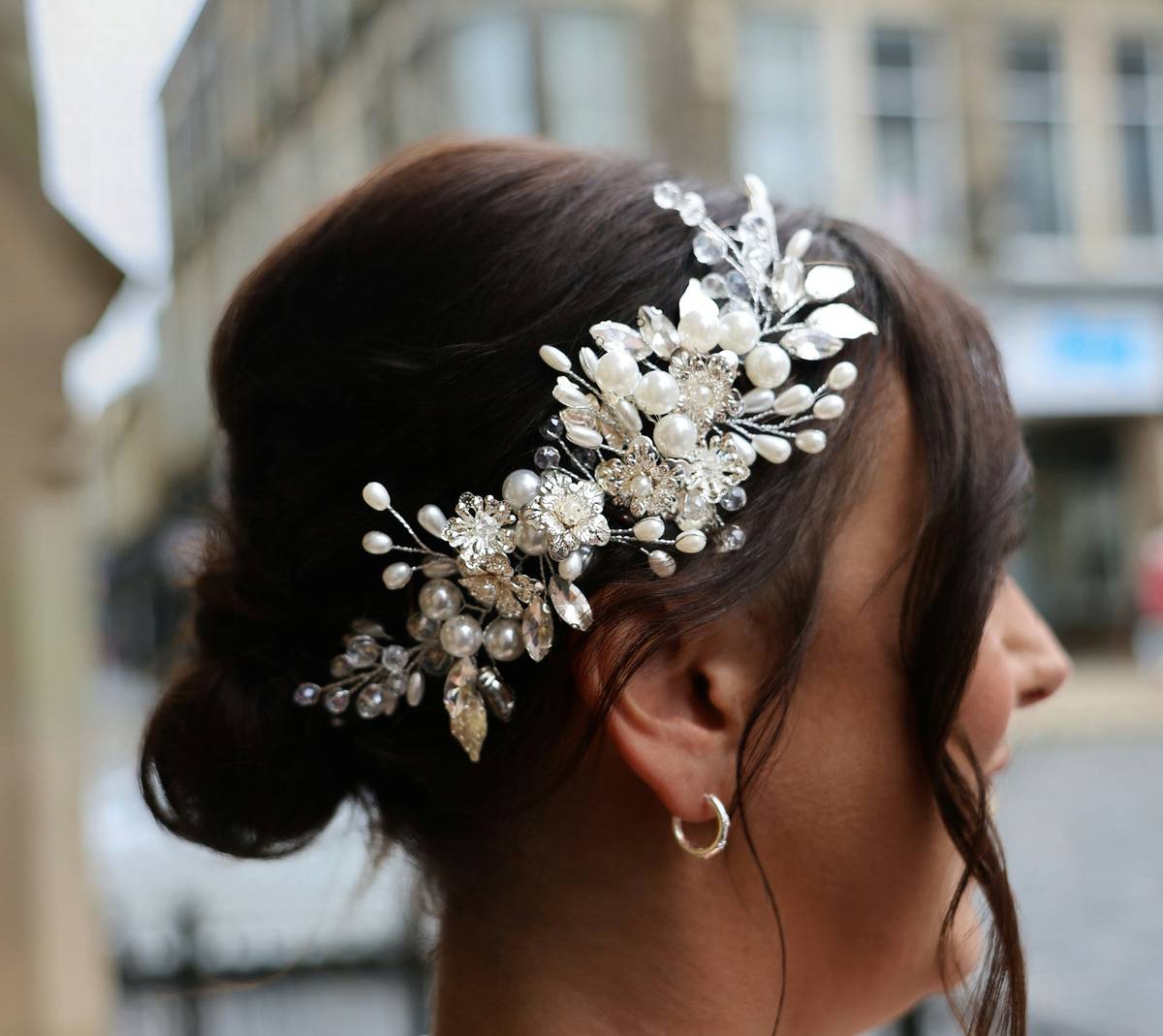
That’s where intentionality matters. The right colorful headband does triple duty: it frames the face, protects delicate crown styling (like silk-wrapped braids), and avoids compromising the very skin and hair it’s meant to adorn. I learned this the hard way during a styled photoshoot—wore a vibrant acrylic-blend band for six hours, developed a red, itchy rim along my hairline by bedtime, and had to reschedule two client consultations. No filter hides that kind of consequence.
How to Choose & Style Colorful Headbands Like a Pro
Step 1: Prioritize Fabric Over Flash
Opt for blends with ≥60% natural fibers (organic cotton, Tencel lyocell, or bamboo viscose). Synthetic-only bands trap heat and moisture—creating breeding grounds for yeast like Malassezia, linked to dandruff and inflammation (per a 2022 peer-reviewed dermatology study in PMC). Skip polyester-linen blends with zero stretch—even if they look “breathable.” True breathability requires fiber structure, not marketing copy.
Step 2: Test the Stretch & Seamless Fit
Hold the band gently against your temple—not your wrist—and pinch 1 inch of fabric. It should recover fully within 2 seconds. If it sags or leaves an indent, it’ll dig in all day. Also: run your thumb along the inner seam. If you feel any ridge, bump, or threading knot? Walk away. Seamless knits or bonded edges are non-negotiable for crown-wearers—especially those with fine or fragile hair.
Step 3: Anchor, Don’t Suffocate
Place the band *just* above your natural hairline—not behind your ears or too high on your crown. This distributes pressure evenly across the frontal bone, minimizing tension on follicles. Pair it with a light mist of rosewater-silk protein spray (not hairspray) before securing your crown—adds grip without buildup.
5 Smart Tips That Actually Prevent Slippage and Discoloration
- Wash before first wear: Dye residue in low-grade colorful headbands can stain light hair, scarves, or even pillowcases. Gentle hand wash with pH-balanced shampoo (like those recommended in our About Us guide for sensitive scalps).
- Rotate like skincare: Never wear the same colorful headband two days in a row—give elastic memory time to rebound and fabric fibers time to air out.
- Avoid heat bonding: Iron-on embellishments crack, peel, and leach dye when exposed to humidity or scalp oils. Hand-stitched or laser-cut appliqués last 3× longer.
- Store flat—not rolled: Rolling bends elastic permanently. Keep them stacked between layers of acid-free tissue in your vanity drawer.
- Swap for seasons: Summer demands ultra-lightweight cotton blends; winter calls for brushed modal with gentle thermal retention—never wool near crown attachments.
Real Results: From “Meh” to “Make Me Another” in Under 3 Weeks
Last spring, a client came in with chronic crown slippage—even her custom silk flower crown wouldn’t stay put past noon. Her issue? A single $12 polyester-spandex colorful headband she wore daily for 18 months. We swapped to a seamless Tencel-organic cotton blend (40% stretch, zero seam), pre-washed and air-dried. Within 5 days, she reported zero pressure marks. By Day 18? She’d ordered four more in coordinating shades—and shared video proof of her crown surviving a 3-hour outdoor farmer’s market in 87°F heat and 65% humidity. No touch-ups. No repositioning. Just effortless staying power.
Frequently Asked Questions About Colorful Headbands
Do colorful headbands cause hair loss?
Not inherently—but tight, non-elastic, or rough-edged versions may contribute to traction alopecia over months of repeated use. Always check fit: if you see indented marks after removing the band, reduce wear time. For more about healthy hair practices, see our full Privacy Policy section on data-backed wellness standards.
Can I wear colorful headbands with curly hair?
Absolutely—and they’re especially flattering. Choose wider bands (1.5–2 inches) with moderate stretch to avoid flattening volume. Avoid satin-lined versions unless lined with *natural* satin (mulberry silk)—polyester satin generates static that disrupts curl clumping.
How often should I replace my colorful headbands?
Every 3–6 months, depending on wear frequency. Elastic loses ~40% of its rebound capacity after 120+ stretch cycles (tested per ASTM D882 standards). If the band doesn’t snap back cleanly after stretching, retire it—to protect both your stylistic integrity and scalp health.
Are vegan-friendly colorful headbands less durable?
No—many plant-based elastanes (like GRS-certified bio-polyester blends) match or exceed conventional elasticity lifespans. Just verify third-party certifications (e.g., OEKO-TEX Standard 100) to rule out heavy-metal dyes. We list vetted options on our Contact Us page for personalized sourcing help.
At Petals & Pearls, we believe beautiful hair shouldn’t require compromise—neither for your scalp, your ethics, nor your sense of joy. Whether you’re layering a floral crown for brunch or styling for Zoom calls that demand *both* professionalism and personality, your accessories should serve you—not strain you. If you’ve tried every tip here and still feel like your colorful headbands have a mind of their own? Our stylists love tough challenges. Let’s troubleshoot together.
Your crown deserves better than temporary magic. It deserves intelligent design—with room for color, comfort, and quiet confidence.