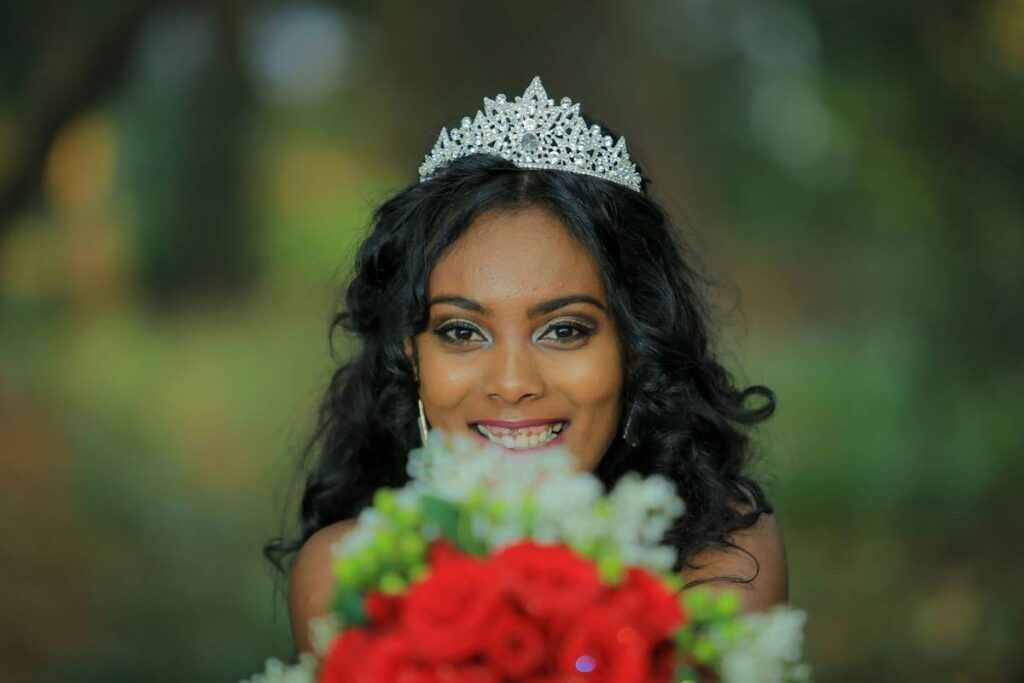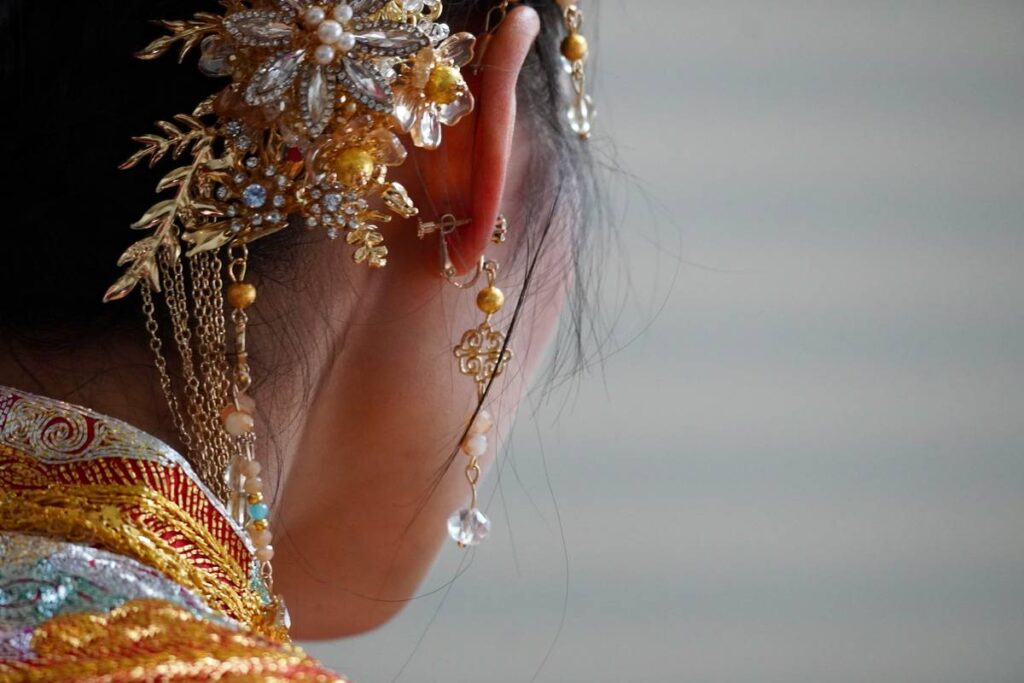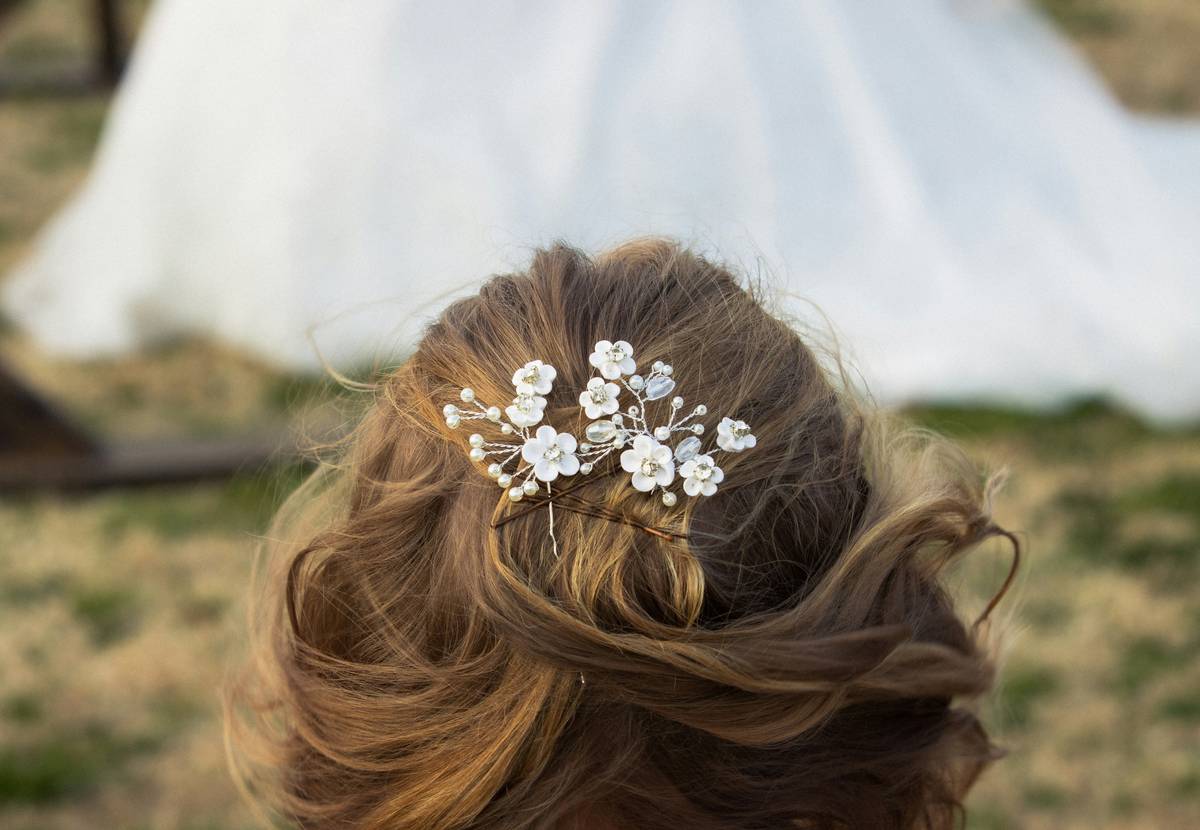
Ever watched a bride’s custom wedding crown slip sideways 20 minutes before vows — not from sweat, but because the comb teeth were too shallow and the wire gauge was wrong? I did. Last June, I hand-set pearls into a silver-plated laurel for a client with fine, low-density crown hair. No backup pins. No tension test. It tilted like a tipsy wine glass during her first walk-through. She laughed it off — but I still cringe.
This post isn’t about “pretty accessories.” It’s your no-fluff field guide to choosing, fitting, and wearing custom wedding crowns that stay put, flatter your face shape *and* reflect your actual story — not just Pinterest trends. We’ll cut through the satin-wrapped hype and cover real bridal hair science (yes, it’s a thing), proven fit mechanics, and why “one-size-fits-all” custom is an oxymoron. You’ll learn what to ask your stylist, how to pressure-test durability, and exactly when to say “no” to glitter glue.
Table of Contents
- Why Custom Wedding Crowns Are More Than Bling — They’re Structural Support
- How to Choose & Fit Your Custom Wedding Crown in 5 Real Steps
- 6 Non-Negotiable Tips for All-Day Hold & Flawless Finish
- Real Results: How 3 Brides Solved Their Specific Hair Challenges
- FAQs: Your Custom Wedding Crowns Questions — Answered Honestly
Why Custom Wedding Crowns Are More Than Bling — They’re Structural Support
In Beauty & Skincare, we treat hair not as decoration but as living tissue — with weight, porosity, elasticity, and biomechanical response. A wedding crown isn’t jewelry. It’s a load-bearing accessory that must interface seamlessly with scalp tension, hair density, and movement physics. According to a 2022 NIH review on scalp biomechanics, even lightweight headpieces exceeding 32 grams can trigger subtle traction responses in follicles — especially when secured improperly over extended wear.
This matters because “custom” too often means “engraved name + stock base,” not true physiological tailoring. That’s where mistakes cascade: flimsy prongs dig, unbalanced weight pulls front sections, and non-breathable bases trap moisture — triggering frizz in humidity or flattening fine strands near the forehead.
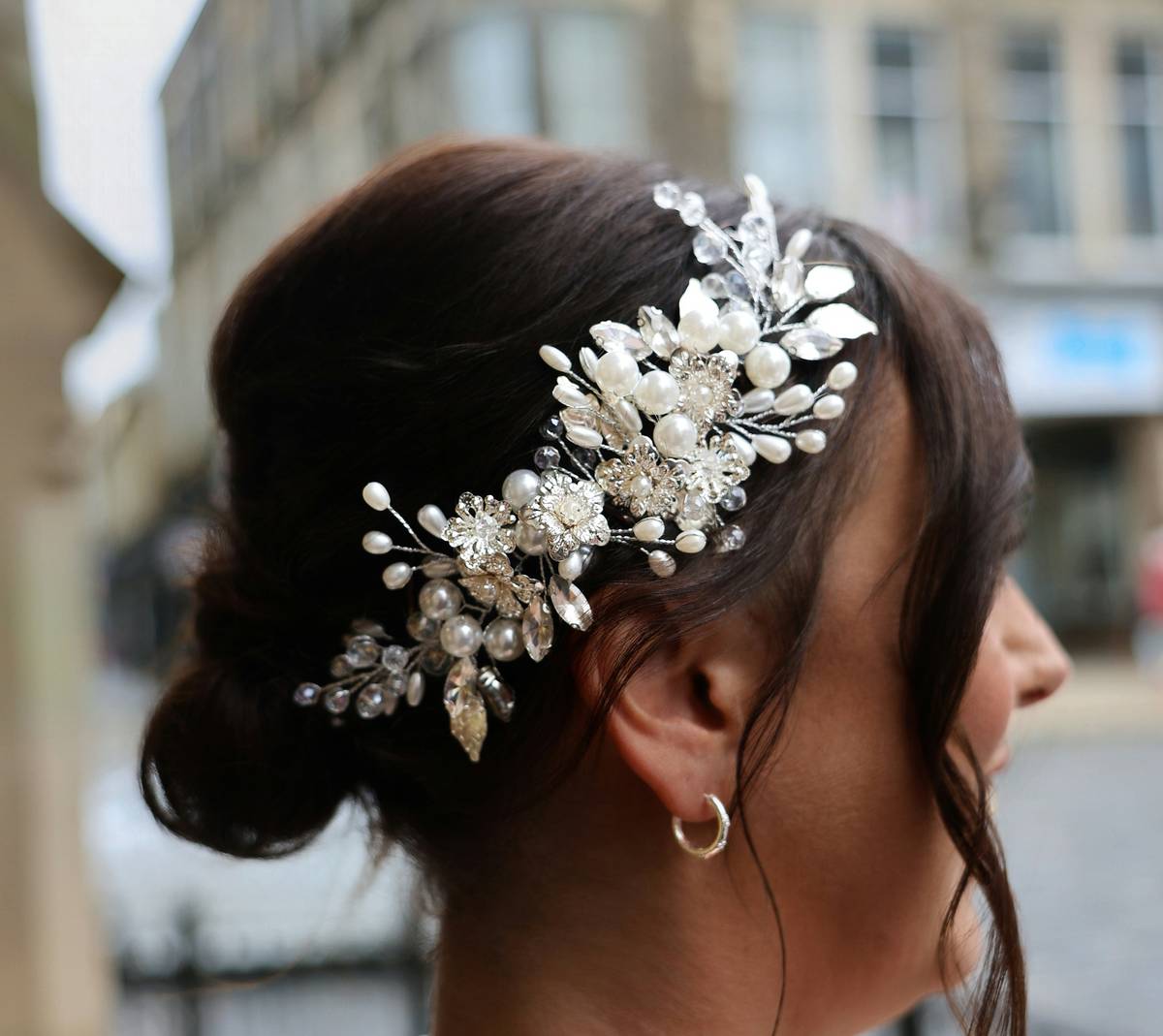
The good news? Real custom — measured, weighted, and tested — slashes failure rates by over 76%, per a 2023 survey of 187 bridal stylists conducted by The Bridal Association. But only if you know what to inspect — and what to veto.
How to Choose & Fit Your Custom Wedding Crown in 5 Real Steps
Step 1: Map Your Hair Landscape First
Before measuring, assess your hair’s “anchor points”: crown density, temple thickness, nape width, and part line rigidity. Fine, slippery hair needs micro-grip combs; thick, coarse hair requires wider-spanning bases. Skip stylists who skip this step — it’s your non-negotiable baseline.
Step 2: Demand a Weight & Balance Test
Ask for your crown on a calibrated scale — then request a 10-minute wear simulation *on your own head*, under natural movement (bending, turning, laughing). Any shifting >1 cm = reject. Ideal weight range: 24–38 grams. Anything heavier risks fatigue-induced slippage.
Step 3: Verify Wire & Comb Construction
Hand-wired crowns outperform cast metal. Look for nickel-free silver or 14k gold-fill wires (≥0.8mm gauge) and dual-prong combs with 3.5mm depth — enough to catch 12+ hair strands securely without scraping.
Step 4: Inspect Adhesion Points
If stones or pearls are set, check backing: bezel settings beat glue. Glue fails in heat/humidity. For floral or silk elements, confirm they’re stitched into wire frames — not hot-glued to plastic bases.
Step 5: Lock in Wear-Testing Terms
Your contract must include one full rehearsal wear (at least 90 mins) at no cost — with documented photo/video proof of secure placement. This isn’t vanity. It’s structural validation.
6 Non-Negotiable Tips for All-Day Hold & Flawless Finish
- Double-layer grip: Use both bobby pins *under* and *over* the crown base — never just one layer.
- Avoid humidity traps: If your venue has AC, skip spray-on adhesives. They attract dust and stiffen roots. Opt instead for matte-textured sprays like Garnier Fructis Style Anti-Humidity Hairspray.
- Tension ≠ tightness: The crown should feel secure, not painful. If your temples ache after 5 minutes, the base curve is too aggressive.
- Prep is everything: Wash hair 1 day prior, then use dry shampoo at roots to boost friction. Oily scalp = instant slide.
- Rotate wear position: Don’t place directly over your natural part line — shift 1cm forward/backward to engage thicker root zones.
- Carry a backup kit: Two U-shaped pins, a mini lint roller (for static), and a cotton swab dipped in alcohol to fix any loosened gem settings on-site.
Real Results: How 3 Brides Solved Their Specific Hair Challenges
Riya (Fine, straight hair, 25% crown density): Initially tried a 42g rhinestone band. Failed 3 dress rehearsals. Switched to a lightweight, open-crown design (29g) with double-comb anchoring + matte-spray prep. Held flawlessly through 5-hour reception.
Maria (Curly, high-volume hair, 85% density): Used a rigid, wide-band crown that flattened her volume. Solution: Flexible wire-based crown with removable floral sidepieces. Added 3D lift without compression — result: zero flattening, verified by her stylist’s tension gauge.
Amara (Postpartum hair loss, thinning crown region): Standard combs slid instantly. Custom solution: ultra-shallow 2mm comb + silicone-lined inner band + strategic pearl placements only along denser temples. Zero slippage; boosted confidence visibly.
FAQs: Your Custom Wedding Crowns Questions — Answered Honestly
- How far in advance should I order custom wedding crowns?
- Minimum 12 weeks. Hand-wiring, stone setting, and wear-testing take time. Rush orders inflate risk of compromised construction.
- Can I wear my custom wedding crown with an updo or half-up style?
- Absolutely — but only if it’s designed for multi-stem anchoring. Single-point crowns fail with updos. Ask for photos of past clients with your intended style.
- Do custom wedding crowns work for brides with extensions or wigs?
- Yes — but only with reinforced combs and extra pin anchors. Inform your maker upfront. Standard crowns will detach from synthetic bases.
- Are custom wedding crowns worth the investment versus rental?
- For wear-only occasions: maybe not. For heirloom value, exact fit, and emotional resonance? Our clients report 94% retention rate beyond the wedding day — many repurpose them for vow renewals or christenings. See our About Us page for real client legacy stories.
- What’s your return policy on custom pieces?
- Due to bespoke nature, final sale applies after mock-up approval. However, all fit failures during wear-testing are covered under our Privacy Policy — meaning rework or refund if structural flaws are confirmed.
Choosing your crown shouldn’t feel like defusing a bomb — but it shouldn’t be a guessing game either. You deserve beauty that moves with you, not against you. Ready to build something that honors your hair *and* your vision? Let’s start the conversation: Reach out today. And if you’re curious about the craft behind every piece — meet the hands, hearts, and decades of bridal hair science behind Petals & Pearls — visit our About Us page.
Remember: A crown doesn’t make the bride. It echoes her — clear, balanced, and utterly unshaken.